
WORLD SCIENCE FORUM GATHERS AGAIN IN JORDAN IN 2017
NEW WEBSITE
Dear Visitors,
Please note that this is an archive website of the World Science Forum series. To learn more about upcoming events please visit our new website at the www.worldscienceforum.org address!
WSF
Programme
Tuesday 3 November09:00 - 17:00
EUROPEAN CONFERENCE FOR SCIENCE JOURNALIST 2015 (EUROPEAN SCIENCE JOURNALISTS ASSOCIATION)
Ceremonial Hall, Hungarian Academy of Sciences
Tuesday 3 November10:30 - 13:00
"MICROBES AND SOCIETY" SCIENTIFIC SESSION
Large Lecture Hall, Hungarian Academy of Sciences
Tuesday 3 November15:00 - 18:00
ACADEMIA EUROPEA HUNGARIAN MEMBERS MEETING
Reading Room, Hungarian Academy of Sciences
Wednesday 4 November09:00 - 10:30
UNESCO SIDE EVENT ON CAMPUSAFRICA: CULTURE, SCIENCE AND TECHNOLOGY AT THE SERVICE OF AFRICAN DEVELOPMENT
Conference Room (2nd floor), Library of the Hungarian Academy of Sciences
Wednesday 4 November09:00 - 10:30
UNESCO SIDE EVENT ON KNOWLEDGE BROKERING FOR A BETTER CONNECTION BETWEEN SCIENCE, POLICY AND PRACTICE IN COMPLEX POLICY PROBLEMS
Dome Hall, Hungarian Academy of Sciences
Wednesday 4 November09:00 - 10:30
JRC SIDE EVENT ON SCIENCE IN FLUX: HOW SCIENCE SUPPORTS THE MANAGEMENT OF TRANS-NATIONAL RIVER BASINS
Large Lecture Hall, Hungarian Academy of Sciences
Wednesday 4 November09:30 - 11:00
IEEE SIDE EVENT ON NEW PARADIGMS FOR INTEGRATING SUSTAINABLE DEVELOPMENT INTO SCIENCE AND ENGINEERING EDUCATION THROUGH IEEE EDUCATIONAL ACTIVITIES
Vasarely Room (ground floor), Library of the Hungarian Academy of Sciences
Wednesday 4 November11:00 - 12:30
WSF STEERING COMMITTEE MEETING
Bolyai Room, Hungarian Academy of Sciences
Wednesday 4 November11:30 - 13:00
UNESCO SIDE EVENT ON APPLYING NEW HUMAN GENOMICS TECHNIQUES AND MIDDLE INCOME COUNTRIES
Conference Room (2nd floor), Library of the Hungarian Academy of Sciences
Wednesday 4 November11:30 - 12:30
INTERNATIONAL NETWORK FOR GOVERNMENT SCIENCE ADVICE (INGSA) DEVELOPMENT GROUP MEETING
Council Hall of the Presidium, Hungarian Academy of Sciences
Wednesday 4 November13:00 - 17:00
IAP/WAYS/ICORSA/GYA/UNESCO JOINT SIDE EVENT ON SCOPING THE FUTURE: VIEWS AND IDEAS OF YOUNG SCIENTISTS TO TACKLE GLOBAL CHALLENGES
Large Lecture Hall, Hungarian Academy of Sciences
Wednesday 4 November13:30 - 16:30
UNESCO/AAS/ACADEMIA EUROPAEA/ISTIC JOINT SIDE EVENT ON GALVANIZING SCIENCE EDUCATION FOR FOSTERING AN INNOVATION CULTURE IN THE ARAB REGION
Vasarely Room (ground floor), Library of the Hungarian Academy of Sciences
Wednesday 4 November13:30 - 15:45
INVITATIONAL SEMINAR: INTERNATIONAL COOPERATION IN SCIENCE ADVICE PRACTICES
Council Hall of the Presidium, Hungarian Academy of Sciences
Wednesday 4 November14:00 - 17:00
ERC SIDE EVENT ON WIDENING EUROPEAN PARTICIPATION
Hungarian Academy of Sciences
Wednesday 4 November14:00 - 17:00
MTA/IPBES SIDE EVENT ON IMPROVING HARMONY BETWEEN PEOPLE AND NATURE THROUGH LINKING SCIENCE AND POLICY
Conference Room (2nd floor), Library of the Hungarian Academy of Sciences
Wednesday 4 November15:00 - 16:30
ROLE OF SCIENCE IN ADDRESSING CHALLENGES OF GLOBAL MIGRATION
Ceremonial Hall, Hungarian Academy of Sciences
Wednesday 4 November16:00 - 17:45
FORUM OF GLOBAL FORA RECEPTION: WHERE SCIENCE CONFERENCES MEET
Academy Club, Hungarian Academy of Sciences
Wednesday 4 November18:00 - 19:00
OPENING CEREMONY
Ceremonial Hall, Hungarian Academy of Sciences
Wednesday 4 November19:05 - 19:30
UNESCO PRIZE CEREMONY
Ceremonial Hall, Hungarian Academy of Sciences
Wednesday 4 November19:30 - 20:00
CONCERT
Ceremonial Hall, Hungarian Academy of Sciences
Wednesday 4 November20:00 - 22:00
OPENING RECEPTION
Academy Club and Krúdy Hall, Hungarian Academy of Sciences
Thursday 5 November09:30 - 11:00
PLENARY SESSION I. “SUSTAINABILITY CHECK 2015"
Ceremonial Hall, Hungarian Academy of Sciences
Thursday 5 November11:30 - 13:00
PLENARY SESSION II. “SCIENCE ENGAGEMENT: COMMUNCATING WITH SOCIETY”
Ceremonial Hall, Hungarian Academy of Sciences
Thursday 5 November13:00 - 15:00
Science Diplomacy in Action
Council Hall of the Presidium, Hungarian Academy of Sciences
Thursday 5 November15:00 - 16:30
PLENARY SESSION III. “CONFIDENCE IN SCIENCE”
Ceremonial Hall, Hungarian Academy of Sciences
Thursday 5 November17:00 - 18:30
PARALLEL THEMATIC SESSIONS I. A - SCIENCE FOR PEACE
Reading Room, Hungarian Academy of Sciences
Thursday 5 November17:00 - 18:30
PARALLEL THEMATIC SESSIONS I. B - MAPPING THE BRAIN, UNLOCKING THE MIND
Large Lecture Hall, Hungarian Academy of Sciences
Thursday 5 November17:00 - 18:30
PARALLEL THEMATIC SESSIONS I. C - HOW TO ENABLE SCIENCE THROUGH PARLIAMENTARY GOVERNANCE
Ceremonial Hall, Hungarian Academy of Sciences
Thursday 5 November19:30 - 22:00
RECEPTION
Bálna Cultural Centre
Friday 6 November09:30 - 11:00
PLENARY SESSION IV. “SCIENCE IN THE INNOVATION ECOSYSTEM”
Ceremonial Hall, Hungarian Academy of Sciences
Friday 6 November11:30 - 13:00
PLENARY SESSION V. “CHALLENGES IN GLOBAL COOPERATION: PRACTICES AND PITFALLS”
Ceremonial Hall, Hungarian Academy of Sciences
Friday 6 November14:30 - 16:00
PARALLEL THEMATIC SESSIONS II. A - FIT FOR PURPOSE GLOBAL HEALTH POLICIES
Ceremonial Hall, Hungarian Academy of Sciences
Friday 6 November14:30 - 16:00
PARALLEL THEMATIC SESSIONS II. B - BUILDING RESILIENCE IN A CHANGING WORLD
Large Lecture Hall, Hungarian Academy of Sciences
Friday 6 November14:30 - 16:00
PARALLEL THEMATIC SESSIONS II. C - INTERNATIONAL YEAR OF LIGHT
Reading Room, Hungarian Academy of Sciences
Friday 6 November16:30 - 18:00
PARALLEL THEMATIC SESSIONS III. A - RENEWABLE ENERGY FOR GLOBAL SUSTAINABILITY
Ceremonial Hall, Hungarian Academy of Sciences
Friday 6 November16:30 - 18:00
PARALLEL THEMATIC SESSIONS III. B - SCIENCE AND TECHNOLOGY FOR DISASTER RISK REDUCTION
Large Lecture Hall, Hungarian Academy of Sciences
Friday 6 November16:30 - 18:00
PARALLEL THEMATIC SESSIONS III. C - SCIENCE GOVERNANCE IN AFRICA: CHALLENGES AND OPPORTUNITIES
Reading Room, Hungarian Academy of Sciences
Friday 6 November19:00 - 22:00
RECEPTION
Hungarian Academy of Sciences
Saturday 7 November09:30 - 10:15
OPENING ADDRESSES
The House of Parliament
Saturday 7 November10:15 - 11:15
PLENARY SESSION VI. “PARLIAMENTARY SESSION: SCIENCE IN POLICY MAKING” (PART 1)
The House of Parliament
Saturday 7 November11:45 - 12:45
PLENARY SESSION VI. “PARLIAMENTARY SESSION: SCIENCE IN POLICY MAKING” (PART 2)
The House of Parliament
Saturday 7 November12:45 - 13:00
PRESENTATION OF THE UNESCO SCIENCE REPORT
The House of Parliament
Saturday 7 November13:00 - 13:45
CLOSING CEREMONY AND ENDORSEMENT OF THE DECLARATION
The House of Parliament
Saturday 7 November13:45 - 14:30
Lunch
The House of Parliament
Speakers
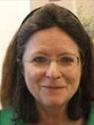
MURRAY, Virginia
Vice-chair UNISDR Scientific and Technical Advisory Group (STAG), Chair of the S&T Organising Committee for the UNISDR Science and Technology Conference on the implementation of the Sendai Framework for Disaster Risk Reduction 2015-2030

News
WSF CALLS UPON JOINT ACTION AND USE OF SCIENCE ADVICE TO REACH SUSTAINABLE DEVELOPMENT GOALS, ADDRESS CLIMATE CHANGE, AND REDUCE OUR VULNERABILITY TO DISASTERSsENDS 7.11.2015

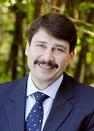
"The threat is real, our time is limited, but we can still make a change" urged János Áder President of Hungary at the Closing Ceremony of World Science Forum 2015.
moreOver 900 Science Leaders from over 100 Countries Gather at the World Science Forum 2015 Budapest 4.11.2015

At the Opening Ceremony of World Science Forum 2015 a panel of global thought-leaders declared renewed intent to fight poverty and promote just, equitable and inclusive social development based on the restoration, protection and sustainable use of natural resources and ecosystems. Prime Minister of Hungary, Viktor Orbán, opened four days of events, addressing a large audience of diplomats, global science stakeholders and key influencers.
more
PARTNER ORGANISATIONS |
|||||
 |
 |
 |
 |
 |
|
MEDIA SUPPORT |
|||||
 |
|||||